The Hormonal Effects of Endurance Training
What’s Happening Inside Your Body and Why It Matters
Endurance training places a significant demand on the body, and one of the most important systems involved in how we adapt to that demand is the endocrine system. At its core, training is a stressor, and your body responds hormonally in an effort to maintain balance while improving performance. When managed properly, this leads to positive adaptations such as improved aerobic capacity, better fuel utilization, and enhanced recovery. However, when training load exceeds the body’s ability to recover, those same hormonal responses can begin to work against you, increasing fatigue, slowing recovery, and raising the risk of injury.
Training as Stress: The Foundation of Adaptation
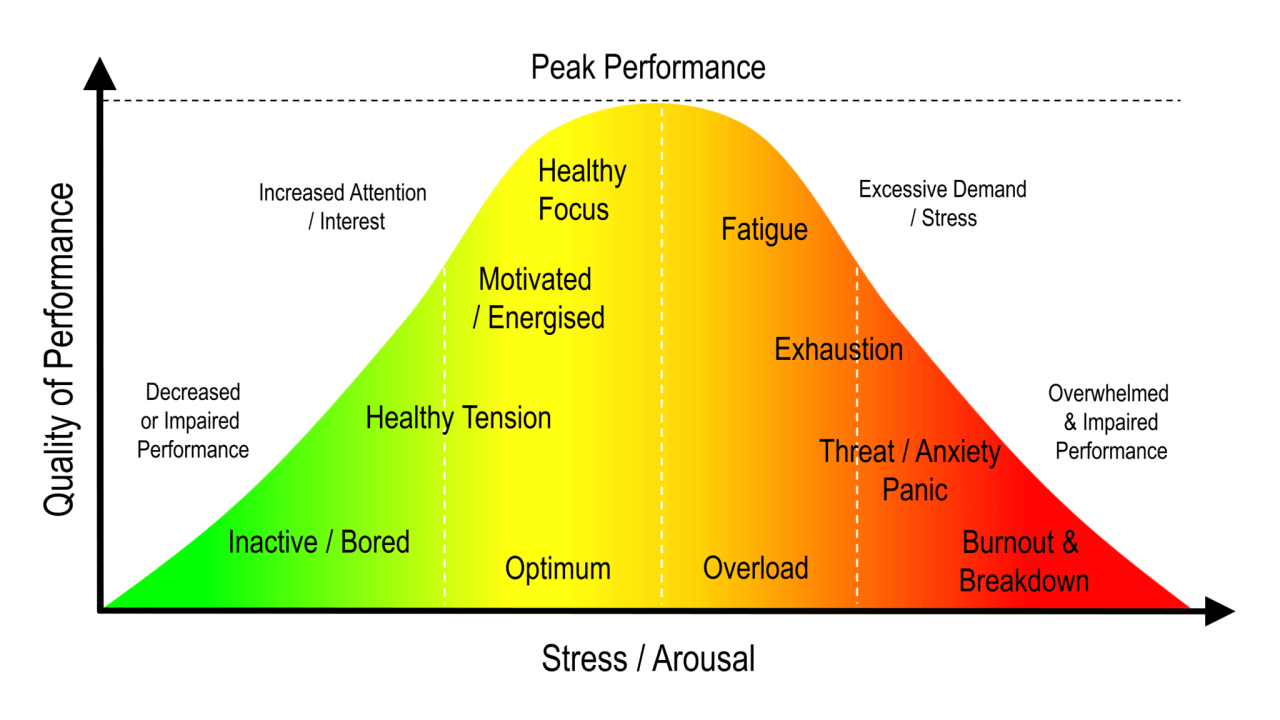
Every run you complete is a form of stress placed on the body. The goal of training is not simply to perform work, but to create a stimulus that the body can adapt to over time. Hormones are the messengers that help regulate this process. When training stress is balanced with adequate recovery, the body adapts by becoming more efficient and resilient. When that balance is off, the body shifts toward breakdown rather than progress, which is where many endurance athletes run into trouble.
Cortisol: The Double-Edged Sword
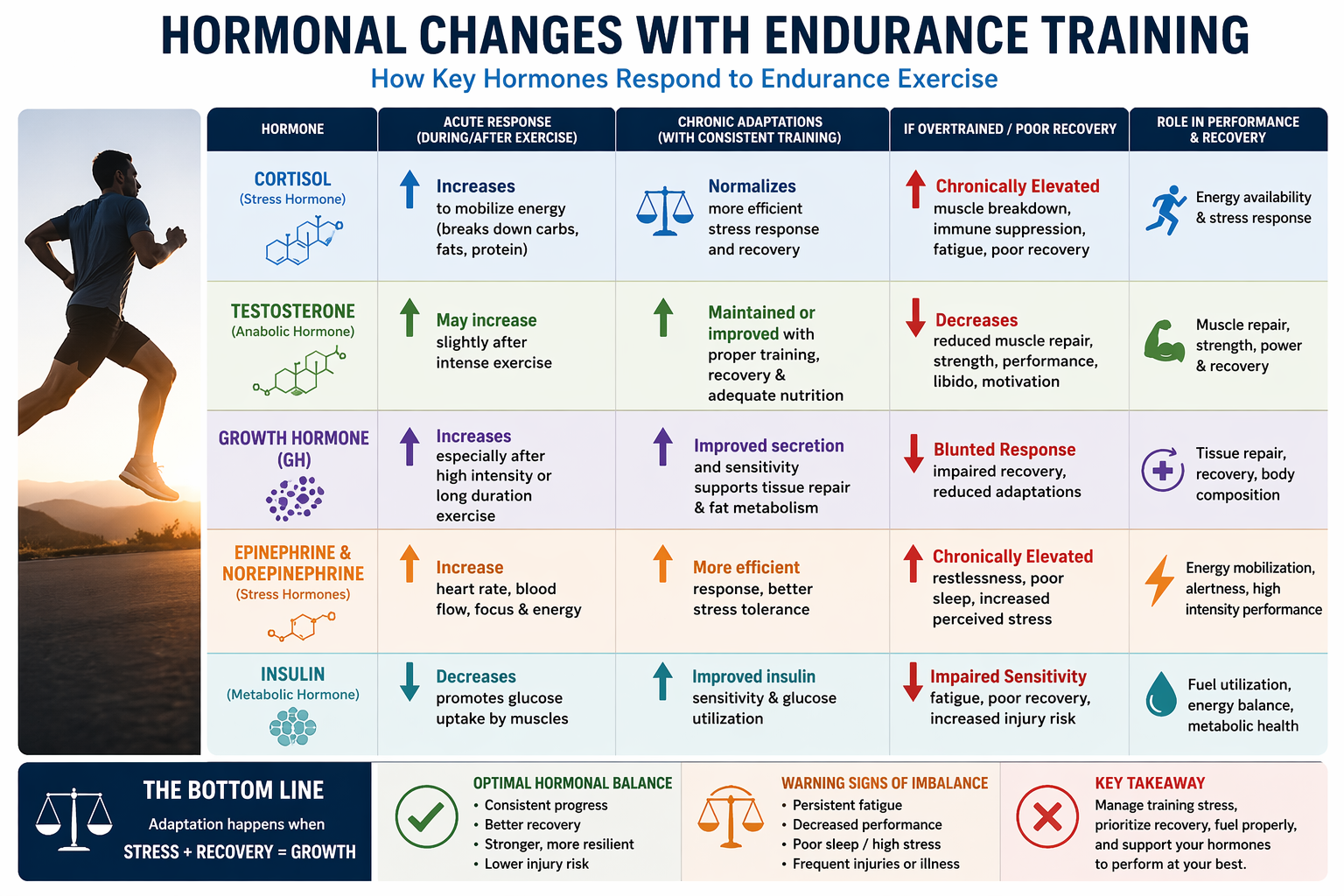
Cortisol plays a central role in endurance performance. It helps mobilize energy by breaking down stored fuel, allowing you to sustain longer efforts. In the short term, this is a necessary and beneficial response. However, problems arise when cortisol levels remain elevated for extended periods due to excessive training, lack of sleep, or poor recovery habits. Chronically high cortisol levels can lead to increased muscle breakdown, reduced immune function, and a persistent sense of fatigue. This is often what we see in runners who feel like they are doing everything right but continue to feel worn down.
Testosterone: The Recovery and Performance Hormone
Testosterone is critical for muscle repair, strength maintenance, and overall recovery. While endurance training does not eliminate testosterone production, high volumes of training without adequate recovery can suppress its levels. This creates a less favorable environment for rebuilding tissue and maintaining strength. As a result, athletes may notice slower recovery, decreased performance, and a lack of power. This is one of the key reasons why endurance athletes benefit from incorporating strength training into their programs, as it helps support a more balanced hormonal profile.
Growth Hormone: Supporting Repair and Adaptation
Growth hormone is heavily involved in tissue repair, muscle recovery, and fat metabolism. Endurance exercise, particularly at higher intensities, can stimulate increases in growth hormone, which supports the body’s ability to recover and adapt. However, these benefits are only realized when recovery is adequate. Without proper sleep and nutrition, the body cannot fully take advantage of these hormonal responses, limiting the effectiveness of training.
Stress Hormones and the Nervous System
Epinephrine and norepinephrine are released during endurance training to increase heart rate, improve blood flow, and enhance energy availability. These hormones are essential for performance and allow the body to meet the demands of training. In a well-balanced program, their effects are temporary and return to baseline after exercise. However, when training stress is too high or recovery is insufficient, the body can remain in a heightened state of stress. Athletes may experience poor sleep, increased anxiety, and declining performance despite continued effort.
Insulin and Energy Availability
One of the positive effects of endurance training is improved insulin sensitivity, which allows the body to use carbohydrates and fats more efficiently for fuel. This is a major advantage for endurance athletes. However, this benefit depends heavily on proper fueling. When athletes do not consume enough calories to match their training demands, the body enters a state of low energy availability. This can disrupt multiple hormonal systems, impair recovery, and negatively impact performance.
When Hormonal Balance Breaks Down
The issue for most endurance athletes is not the training itself, but the imbalance between stress and recovery. When athletes consistently push their training without allowing the body to recover, the hormonal environment shifts toward breakdown. This often presents as chronic fatigue, persistent soreness, plateaued performance, and an increased risk of overuse injuries such as shin splints, stress reactions, and tendon-related issues. Over time, this cycle can be difficult to break without adjusting both training and recovery strategies.
Optimizing Hormonal Health for Performance
Improving the hormonal response to endurance training requires a comprehensive approach. Training load must be managed appropriately, ensuring that not every session is high intensity and that recovery days are built into the program. Strength training should be included to support testosterone levels and improve tissue capacity. Proper nutrition is essential, particularly adequate intake of carbohydrates and protein to support energy demands and recovery. Finally, sleep plays a critical role, as many of the body’s key recovery processes and hormonal regulations occur during deep sleep.
Final Thoughts
Understanding the hormonal effects of endurance training provides a clearer picture of why some athletes thrive while others struggle despite similar training volumes. Performance is not simply about how much you train, but how well your body is able to adapt to that training. By creating the right internal environment through balanced training, proper recovery, and intentional programming, endurance athletes can improve performance, reduce injury risk, and sustain long-term progress.
At Momentous PT, we don’t just rehab injuries—we help athletes understand their bodies at a deeper level. That means optimizing how you train, recover, and perform by looking at everything that drives progress, including your hormonal response to training. Our goal is to get you out of pain, rebuild your capacity, and put you in a position where you’re not just healthy, but performing at your highest level with confidence.