Tendon Pain: What It Is, Why It Happens, and How to Fix It
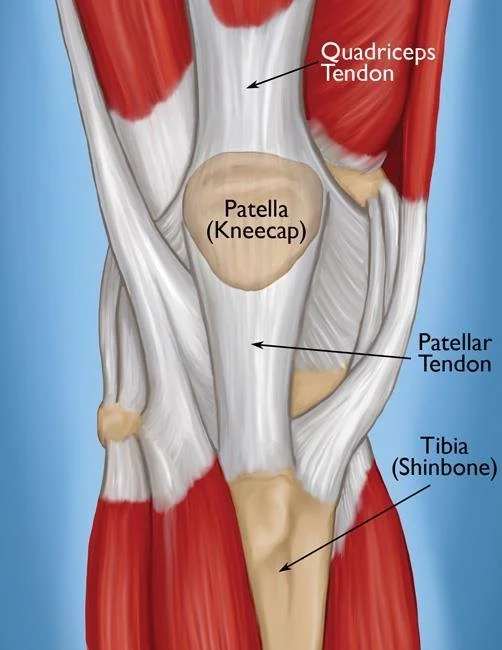
If you’ve been dealing with pain in your knee, Achilles, or foot that just won’t go away — especially with running, jumping, or training — there’s a good chance you’re dealing with tendon pain.
This is one of the most common issues I see in athletes, whether that’s runners, basketball players, volleyball players, or anyone who’s consistently loading their body. And just like most overuse injuries, it’s often misunderstood and mistreated.
What Is Tendon Pain?
Tendons are the structures that connect muscle to bone, but they’re not just passive tissues. They play a major role in how your body moves and performs.
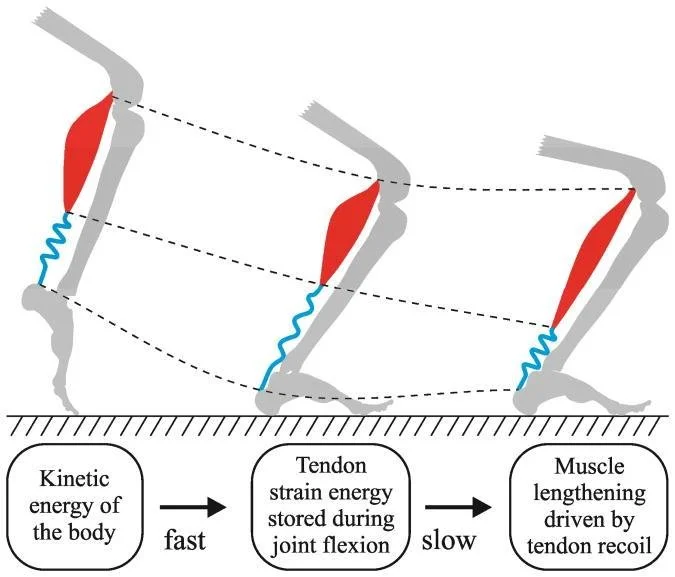
Every time you sprint, jump, or land, your tendons act like springs. They absorb force and then release it back into your body, helping you move more efficiently and powerfully. This is a big reason why explosive athletes rely so heavily on healthy tendons.
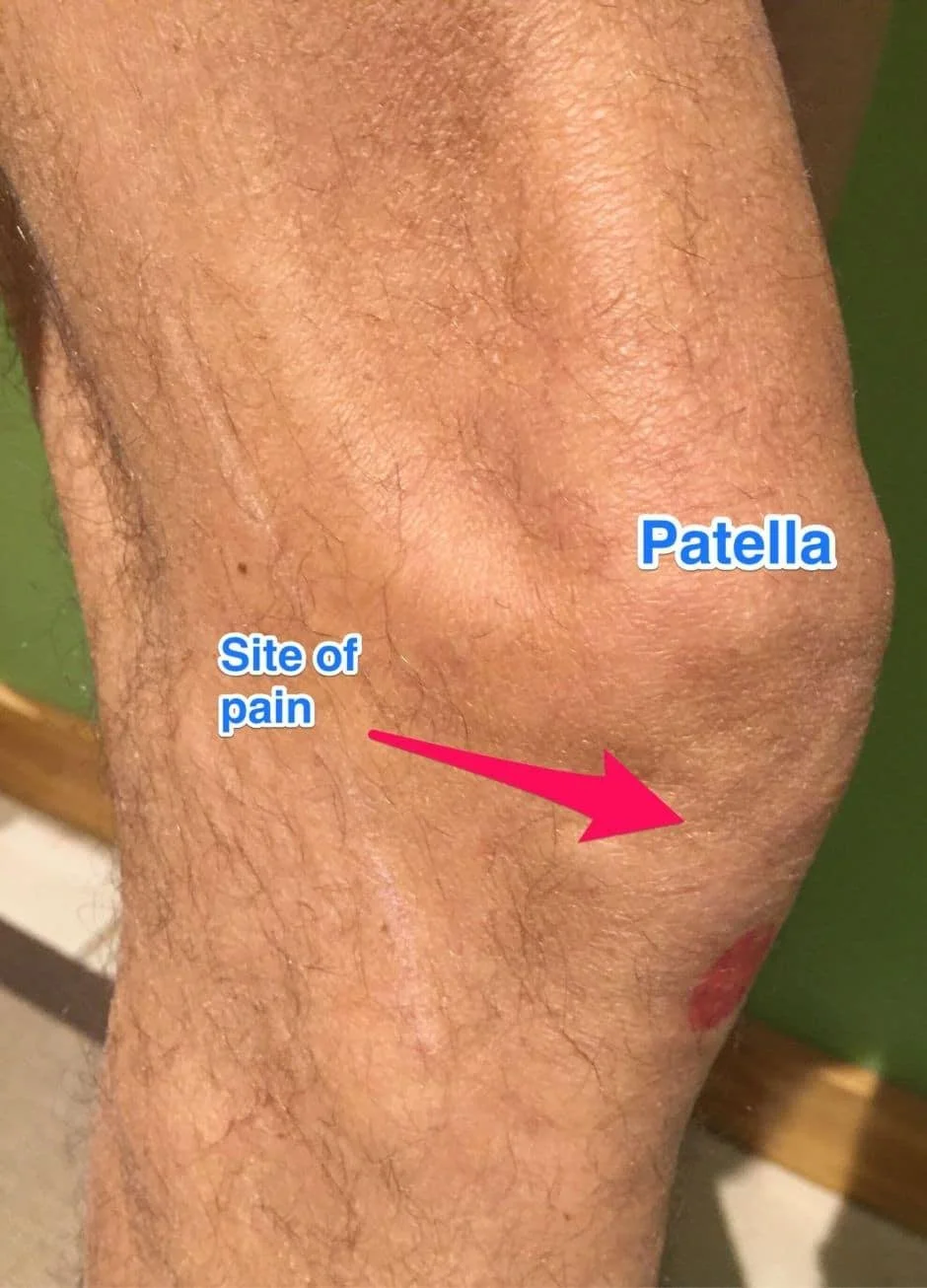
When a tendon becomes irritated, the symptoms are usually pretty consistent. You’ll feel pain in a very specific spot, typically with activity like jumping, sprinting, or lifting. It’s common to feel stiff at the start of a workout or first thing in the morning, and sometimes the pain actually improves once you get moving.
Why It Happens (The Truth Most People Miss)

Most people are told tendon pain is inflammation or a small tear, but that’s usually not the full picture.
Tendon pain is primarily a load management problem. It shows up when the amount of stress placed on a tendon exceeds what it can currently handle. This can happen when training volume increases too quickly, when intensity ramps up, or when there’s not enough recovery between sessions.
Athletes who jump a lot, sprint frequently, or train at high intensity are especially prone to this. Over time, the tendon can start to lose efficiency. The internal structure becomes a bit more disorganized, and it doesn’t handle force as well as it should.
But the important thing to understand is this: your tendon isn’t weak — it’s just not prepared for the demands you’re placing on it yet.
How to Tell If It’s Tendon Pain
Tendon pain tends to follow a predictable pattern. Most people can point to one very specific spot where it hurts. The pain usually increases with activity, especially movements that load the tendon like jumping, running, or lifting.
A unique feature of tendon pain is the “warm-up effect.” It might feel stiff or painful at first, but as you continue moving, it can actually start to feel better. Then later on, or the next morning, the stiffness and soreness come back.
This pattern is a big clue that you’re dealing with a tendon issue rather than a muscle or joint injury.
What Most People Get Wrong
This is where a lot of people get stuck.
The typical advice is to rest, stretch, foam roll, or get some kind of passive treatment. While that might give temporary relief, it doesn’t actually fix the problem.
Tendons don’t respond well to being completely unloaded. In fact, even a couple of weeks of doing nothing can reduce their ability to handle stress. On the flip side, pushing through pain without any structure just keeps irritating the tissue.
That’s why so many people feel like their tendon pain keeps coming back. They either do too little or too much, with no real plan in place.
What Actually Helps
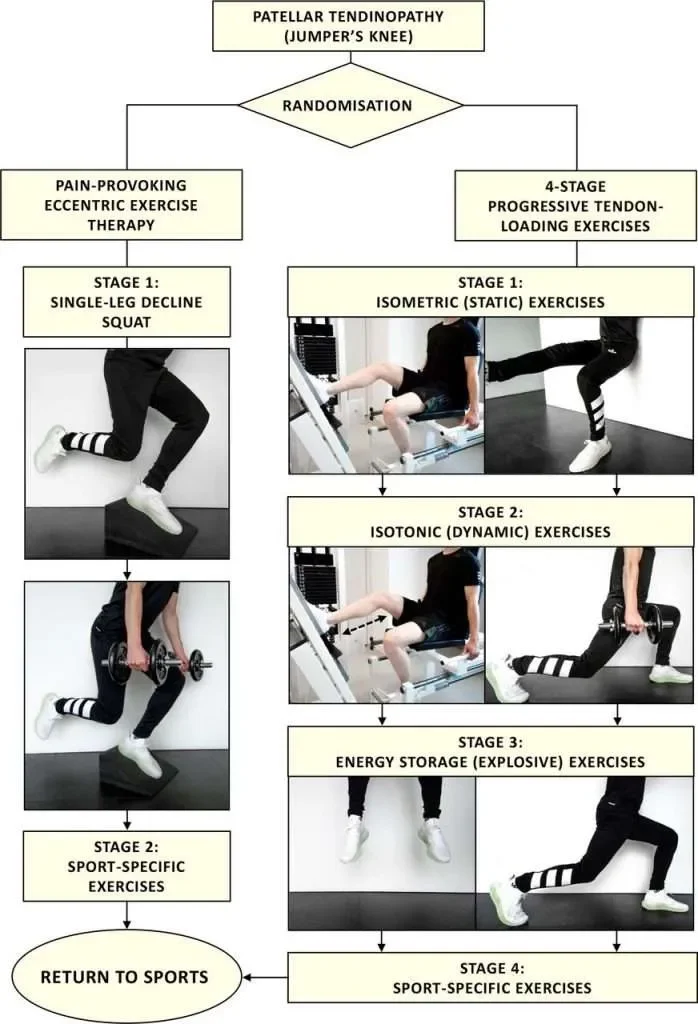
The key to fixing tendon pain is progressive loading.
That means giving the tendon just enough stress to stimulate adaptation, but not so much that it gets overwhelmed. When you hit that balance, the tendon starts to rebuild, get stronger, and handle force more efficiently.
The first step is managing your overall load. You don’t have to stop everything, but you do need to adjust your training. That might mean temporarily reducing high-impact movements, avoiding sudden spikes in activity, and being more intentional about recovery.
From there, we introduce isometric exercises. These are controlled holds under tension that can help reduce pain and begin loading the tendon in a safe way. As symptoms improve, the focus shifts to strength training. Slow, controlled lifting helps rebuild the tendon’s structure and improve its ability to handle load.
Eventually, you have to train the tendon to do what it was designed to do. That means progressing into more dynamic movements like jumping, sprinting, and changing direction. This is where a lot of people fall short, and it’s one of the biggest reasons tendon pain keeps coming back.
Gradual Return to Sport
Returning to full activity isn’t about flipping a switch — it’s a progression.
You start with lower-level movements and build your way back up over time. As you do this, it’s important to pay attention to how your body responds. Not just during the activity, but afterward and the next day as well.
If symptoms stay controlled, you continue progressing. If they spike, you pull things back slightly and adjust. This process allows you to rebuild capacity without constantly setting yourself back.
The Bottom Line
Tendon pain isn’t something you just rest away.
It’s a load and capacity problem, and the solution is building your body back up to handle the demands of your sport or activity.
The goal isn’t to avoid stress — it’s to become resilient to it.
Need Help?
If you’ve been dealing with knee, Achilles, or foot pain that keeps coming back, it’s usually because the loading hasn’t been managed properly or the progression hasn’t been structured the right way.
Having a plan makes all the difference.
If you want to get back to training, competing, and performing without constantly worrying about pain, book an evaluation and we’ll map out exactly what your next steps should look like.