

IT Band Pain: What It Is, Why It Happens, and How to Fix It
IT Band Pain: What It Is, Why It Happens, and How to Fix It
If you’ve ever felt a sharp pain on the outside of your knee during a run, there’s a good chance you’ve dealt with IT band pain. It’s one of the most common injuries I see in runners and active people — and one of the most misunderstood.
What Is IT Band Pain?
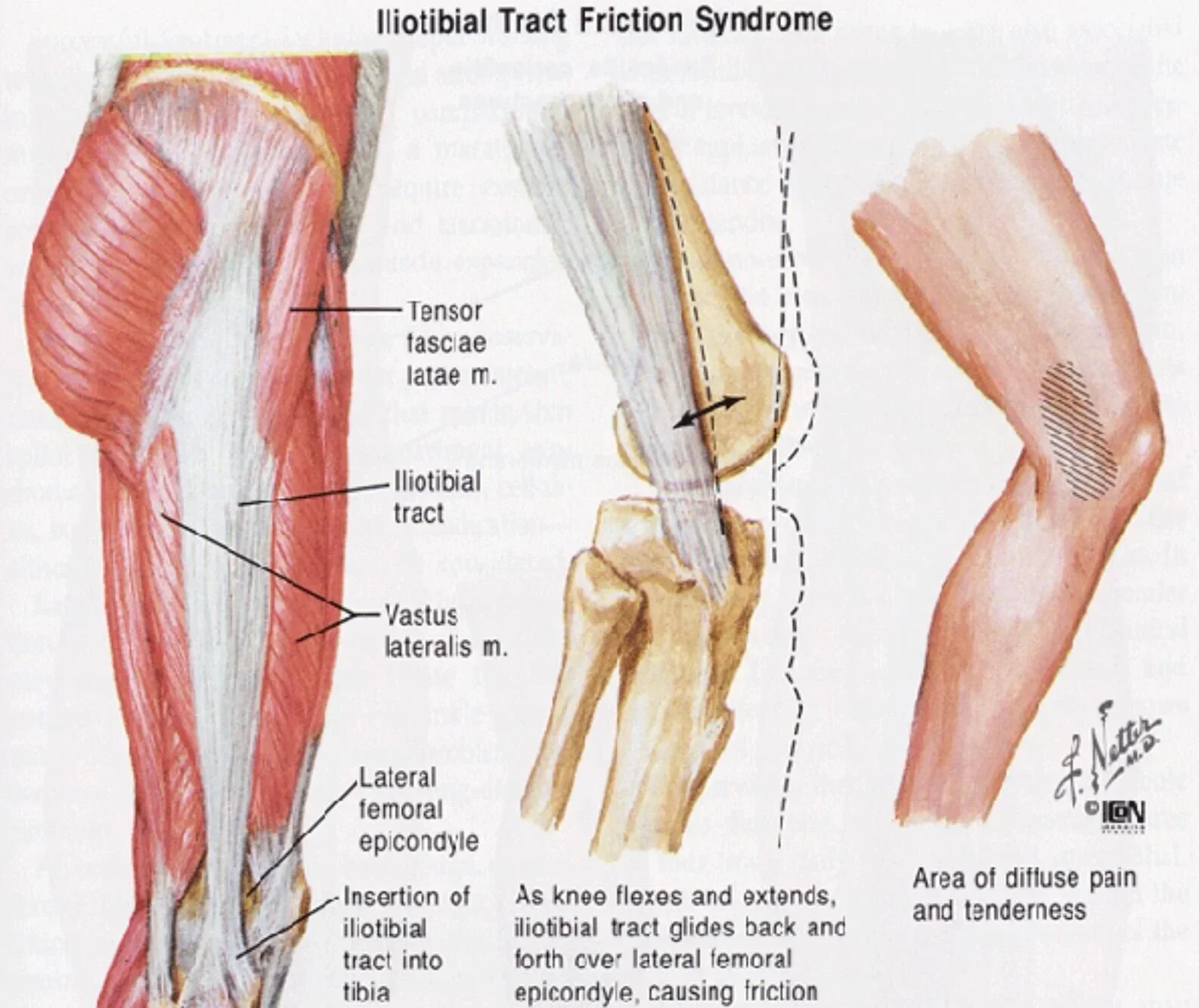
Your IT band is a thick piece of connective tissue that runs from your hip down to your knee. You can think of it as a strong outer support system for your leg. Its role is to help stabilize your knee, control rotation, and transfer force when you’re walking or running.
When this area becomes irritated, it typically shows up as a sharp or burning pain on the outside of the knee. Most people notice it gets worse with running, going down stairs, or downhill movement, and it tends to build the longer you stay active. This is why it’s commonly classified as an overuse injury, especially in runners.
Why It Happens (The Truth Most People Miss)
A lot of people are told their IT band is “tight” and needs to be stretched. While that sounds logical, it’s not the full picture.
We used to think the IT band was rubbing back and forth on the outside of the knee causing friction. But newer understanding suggests it’s more of a compression issue. The irritation is likely coming from sensitive tissue underneath the IT band — like a fat pad or bursa — getting repeatedly compressed during movement.
A simple way to think about it is like having a rock in your shoe. The problem isn’t the shoe itself — it’s what’s getting irritated underneath.
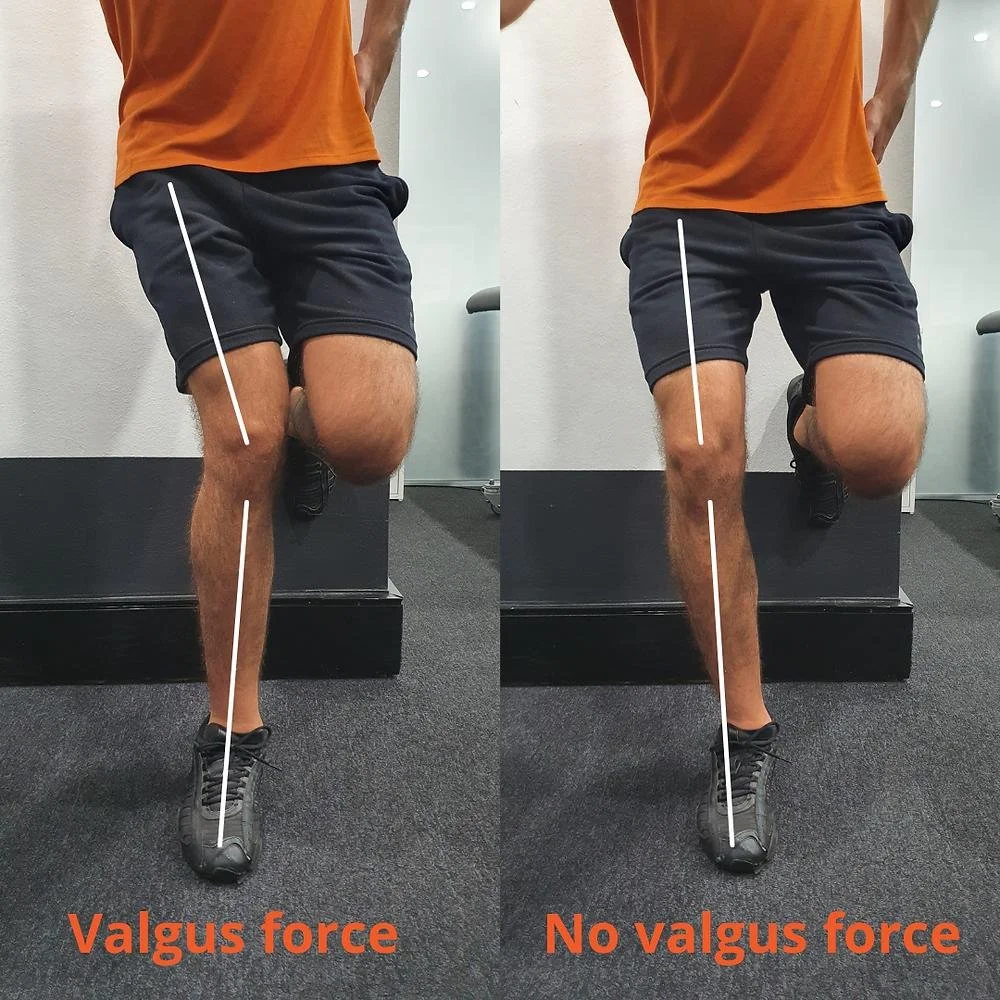
This compression tends to build when training load exceeds what your body can handle. That can happen with sudden increases in mileage, intensity, or hills, especially downhill running. It’s also influenced by how well your body controls movement. Poor single-leg control, increased hip drop, and the knee collapsing inward can all increase stress on the outside of the knee. As fatigue sets in, these movement patterns often get worse, which is why symptoms tend to build over time rather than appear instantly.
How to Tell If It’s IT Band Pain
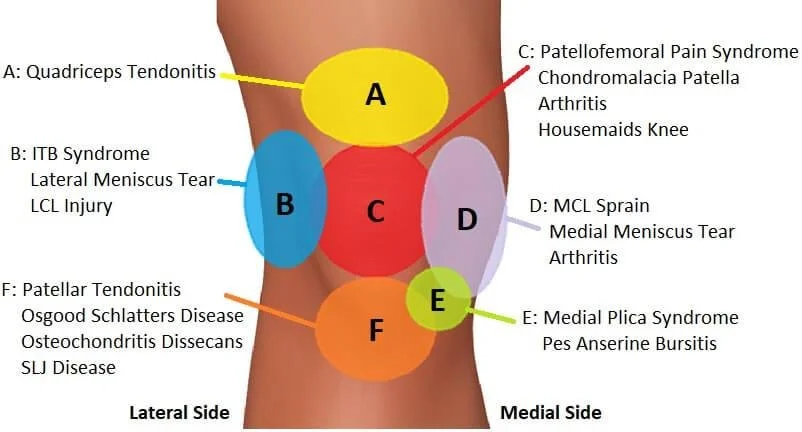
IT band pain is usually very specific. Most people can point to a small spot on the outside of their knee, often just above the joint line. The pain tends to come on gradually and is most noticeable during activities like running downhill or going down stairs.
It’s important to distinguish this from other types of knee pain. Pain in the front of the knee is more likely something like patellofemoral pain, while deeper or more constant pain could point to a different issue altogether. Because of this, IT band pain is often considered a diagnosis of exclusion — meaning we rule out other causes before confirming it.
What Actually Helps
This is where a lot of people go wrong. Most treatments focus on trying to “loosen” the IT band through stretching or aggressive foam rolling. In reality, these approaches don’t address the root problem and can sometimes make things worse by increasing compression in an already irritated area.
What actually works is a more strategic approach focused on load management, strength, and control.
The first step is managing your activity. This doesn’t mean complete rest, but it does mean temporarily reducing or modifying movements that aggravate your symptoms. Downhill running, in particular, should be limited early on since it places the most stress on the outside of the knee.
From there, the focus shifts to building strength and control — especially with single-leg movements. Improving hip stability and preventing the knee from collapsing inward are key pieces of the puzzle. This is less about doing random exercises and more about retraining how your body moves under load.
Improving running mechanics can also make a big difference. Small adjustments, like slightly increasing your step rate, can reduce the amount of stress going through the knee with each step.
Gradual Return to Running
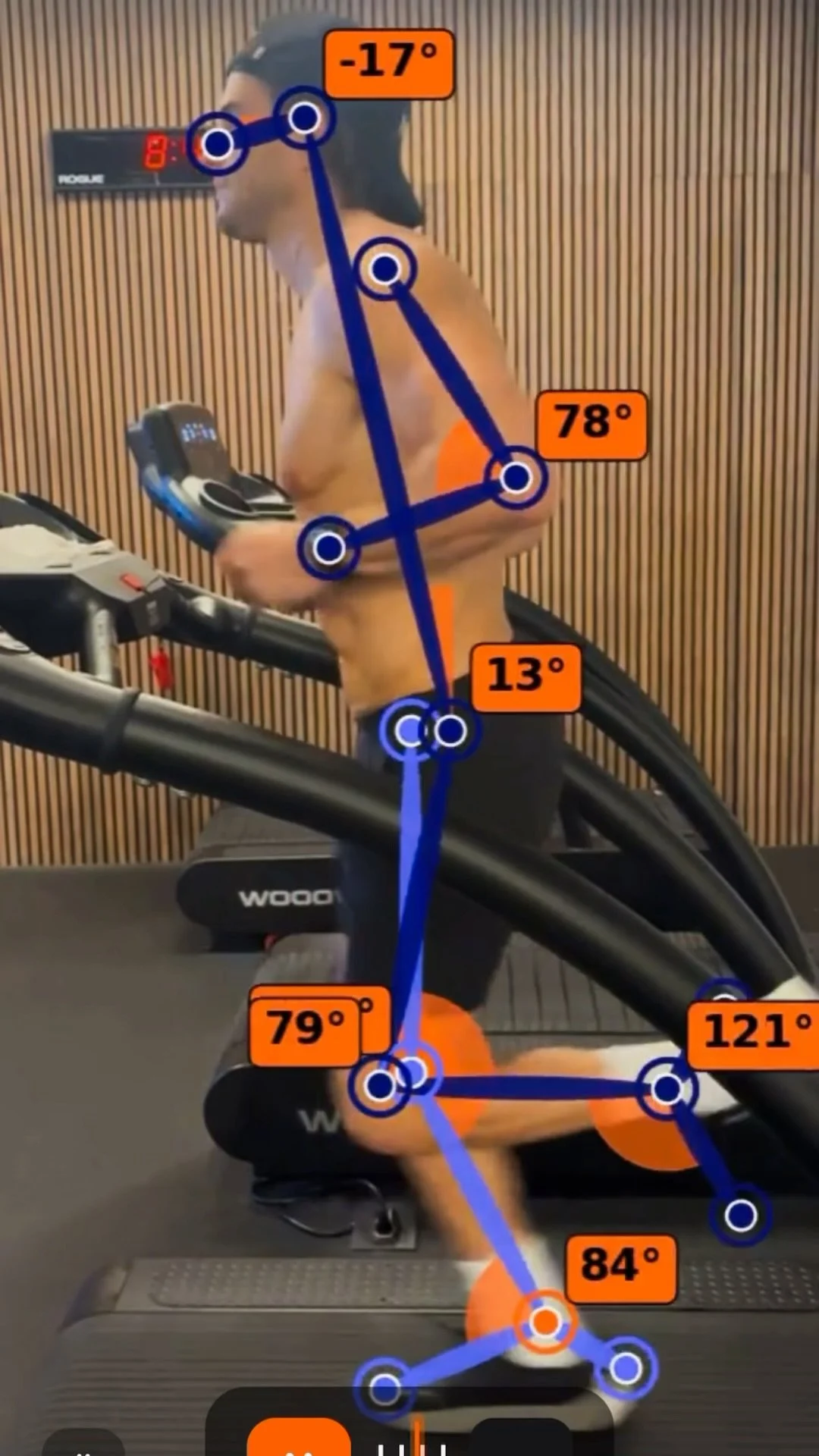
As symptoms improve, the goal is to return to running in a controlled and progressive way.
This usually starts with walking, especially if you’re still having pain. From there, you can progress into run-walk intervals before jumping back into continuous running. It’s important to avoid downhill running early in this phase, since that tends to be the most aggravating.
The key is to build back gradually, increasing volume and intensity over time rather than all at once. A good mindset here is to earn the right to run again instead of rushing back too quickly.
The Bottom Line
IT band pain isn’t just a tightness issue.
It’s a load and control problem that leads to irritation on the outside of the knee. The goal isn’t to loosen the IT band — it’s to build a body that can handle the demands of running or activity.
Need Help?
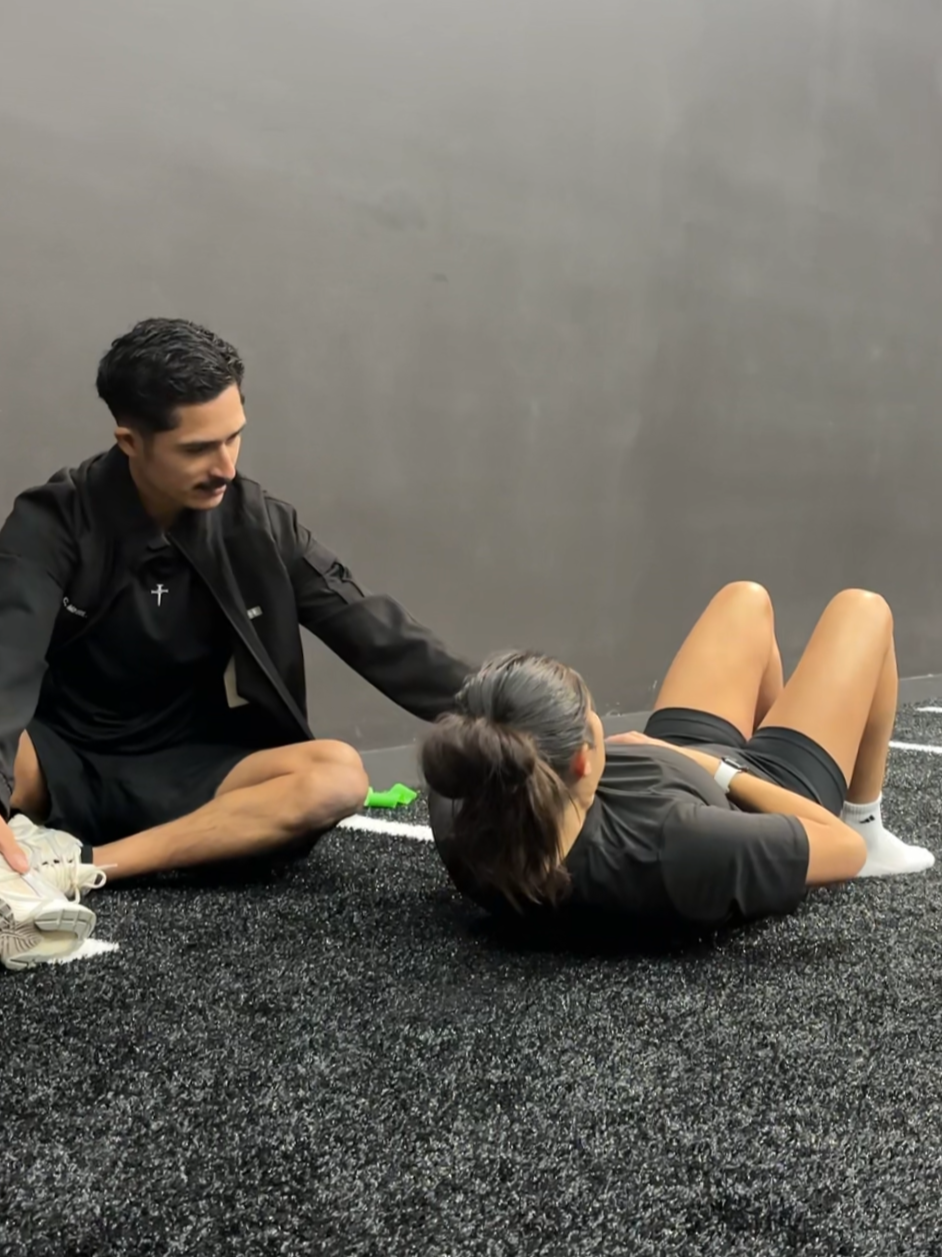
If your IT band pain keeps coming back, it’s usually because the underlying issue hasn’t been fully addressed or you’re progressing faster than your body is ready for.
A structured plan can make all the difference.
If you’re dealing with this and want to get back to running pain-free, book an evaluation and we’ll map out exactly what you need to move forward with confidence.